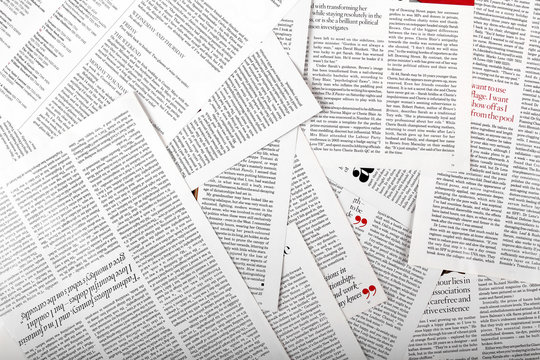
Erika and King Tribhuwan

Share:


Introduction:
The story was written by German physiotherapist Erika Leuchtag. It first came out in 1958 and has been altered and published ever since. It is an intimate story between the king and Erika when she arrives in Nepal to treat the senior queen, but quickly befriends the king, and with him, helps overthrow a regime.
Plot:
Erika arrives in Nepal to treat the senior queen despite protests from almost all of her friends and her mother, with her servant Ghorki Ram and her dog Peepchen. At a glance, the Nepalese royalty seems the same as any other, but Erika quickly realises that there is a quiet sadness to the king, as it is seen in how he interacts with servants, his wives, and his children, and how he rarely leaves the palace without explicit permission. Though when Erika tries to talk to him about it, he gets defensive and shuts off.
Despite this, Erika grows close with the king, even teaching him how to dance and giving him treatment just like she did with the queen. Finally, when the king opens up about the oppressive Rana system, she decides that she wants to help and has to do it quickly since her stay in Nepal is coming to an end. She becomes the main bridge between the king and the Indian ambassadors.
Erika helps conduct different meetings with the king and people of the Indian embassy under the pretense of a hunting trip, and the king goes out dressed in peasant clothes. However, Erika has to leave Nepal around 1949. Later, she hears that the Rana dynasty has finally been overthrown and returns around 1951 to meet the king. He is ecstatic, showing her the resignation letter of Prime Minister Mohan Shumsher and telling her that she is the first to see it.
However, the king dies due to a heart condition, and Erika hears about it on the radio while she is living in London. She is rightfully devastated upon hearing the news. Later, when she goes to London, she becomes a licensed physiotherapist and does multiple interviews about her relationship with the king, proving how she helped overthrow an entire dynasty.
Critical analysis:
The main point of this book is the paradoxical image of power. While King Tribhuvan holds all the power in the books, in reality, he is nothing but a mere pawn for the Rana regime to use and throw. He holds no power, no freedom, no nothing. He has to live under restriction, thus showing how authority does not always equate freedom and power. It has also highlighted how pens are mightier than swords, not literally, but just a few hushed conversations with the Indian ambassadors worked out better at overthrowing the Rana regime than armed rebellions ever could. Gender roles and expectations are heavily challenged in this book because, Erika, a foreign woman from a land the Nepalese did not even know existed back then, helped overthrow the entire system of justice there was. It shows how women can play crucial roles in politics too. The story also talks about the king in a more intimate, and personal details instead of the strong and unflappable persona he presented to the world, it shows that despite being king, he was human too, and a human banished from the freedom he desired. It explains the changes in the history, so it does not come off as factual and political but something that is human. The palace, for all its glory, is just a golden cage to the king and his family, it might be luxurious and offer them every sort of comfort they ever asked for but, it lacks what humans need most, connection. I think a main fact for why the king was so trusting with Erika, was because she was one of the first new faces he saw after being confined in that palace, and out of need for any human interaction he was quick to befriend her, and tell her about the Ranas, something he probably kept bottled up inside him for far too long. His death was also really abrupt, leaving people grieving, and showing how political wins shifted to tragedy in an instant.
Recommendation: I would highly recommend this book for those who want an in-depth story about the history of Nepal and its monarchy. The book is very emotionally engaging, as it follows through with the intimate details of the royal family’s life. I would especially recommend this to students, as it shows how our history has been shaped and highlights the importance of power and freedom.
2 reads
Published on 1/21/2026

Prasiddhi Dangol is a student at Deerwalk Sifal School who loves writing articles, exploring diverse topics, and engaging in creative discussions.
Prasiddhi Dangol
Grade 10
Roll No: 28009
77
More Articles from
Student

How I spend my leisure time.

Art And Artists

Natural resources

म सानी नानी

Time and tide wait for none

काठमाडाैँ सहर

भविष्यकाे याेजना

Balanced Diet

चिडियाखाना घुमघाम

Let’s Talk About Prion

खाेला

What is Religious Tolerance

Music: The Healing God

We want Peace not War

ट्याक्टर र कृषि

Craving a Pie

ठन्डियाम

Beautiful Nature Blows our Mind

Chocolate’s Master

विद्यार्थी र विद्यालय

Mother

गर्मी मौसम

Discipline

आमा
Life

वातावरण

लक्ष्य

जाडो

स्वास्थ्यको महत्त्व

True Beauty
Choices We Make

Laws should Be Equal For Everyone

Rain

Agriculture System In Nepal

गर्मी बिदा

Knowledge Is Power

मेरो देश

मित्रता
मेरो गाँउ

नेपाल

Is Yoga a need of time?

Save Earth

पुस्तकवार्ता कार्यक्रम:

गुरु

Formula to live forever: Curse or Blessing?

देशप्रति मेराे कर्तव्य:

Joy

खुसी

प्रकृति

Getting Lost

साथी

सहिदको रगत

आमा

The Young Generation
A Stitch in Time Saves Nine

बाटो
आमा !

विज्ञान र प्रविधि

Growing Up

नेपाली हाम्राे पहिचान

पोखरा भ्रमण

परम्पराप्रति माया
मिहिनेतको फल

Memory

बरगदको रुख

Rebirth of The Divine

धैर्य र प्रयास

भर्चुअल रियालिटी
पुस्तकानुभूति अव्यवस्थित सामाजिक समस्याहरूको प्रतिबिम्ब ‘नाैगेडी नाटक’

The First Bloom

Earth is Our Home

Holes
मनोज भण्डारीको ‘ईश्वरलाई चिठी’: जीवन, प्रकृति र समाजका विविध रङहरू

धैर्य बिनाको प्रतिभा

Franskenstein


