
Teej

Share:


Teej is one of the most important Hindu festivals celebrated by women, especially in India and parts of Nepal. It is observed during the month of Bhadra (August–September) and is dedicated to Goddess Parvati and her union with Lord Shiva. The festival carries deep cultural, spiritual, and social significance, symbolizing love, devotion, and marital harmony.
The story behind Teej is rooted in Hindu mythology. It is believed that after years of penance,Goddess Parvati was finally united with Lord Shiva. Their union is considered an ideal bond of love and devotion, inspiring women to pray for marital bliss and family well-being. Married women observe Teej for the prosperity and longevity of their husbands, while unmarried girls fast in hopes of finding a loving and virtuous life partner. The celebration of Teej usually spans three days: Dar Khane Din, Fasting Day, and Rishi Panchami. On Dar Khane Din, women gather with friends and relatives to enjoy delicious feasts, sing traditional songs, and dance with joy. The second day is the most significant, when women observe a strict fast—often without food and water—as an offering of devotion to Lord Shiva. Dressed in red saris and adorned with
beautiful jewelry, they visit temples, especially the Pashupatinath Temple in Kathmandu, to worship and perform rituals. The third day, Rishi Panchami, is a day of purification where women take ritual baths and worship the sages (Rishis) to cleanse past sins.
Beyond its religious aspects, Teej is also a celebration of womanhood and sisterhood. It provides a platform for women to express their emotions, share their struggles, and strengthen bonds with their communities. Traditional Teej songs often highlight not only joy but also the challenges women face in society, giving voice to their experiences.
In modern times, Teej has evolved while keeping its cultural essence intact. Urban celebrations may include stage programs, cultural shows, and community feasts, yet the core spirit of prayer, devotion, and togetherness remains the same.
Teej is more than just a religious occasion it is a festival that highlights the strength, sacrifice, and resilience of women. It blends devotion with celebration, reminding people of the importance of love, faith, and unity in family life.
0 reads
Published on 9/4/2025
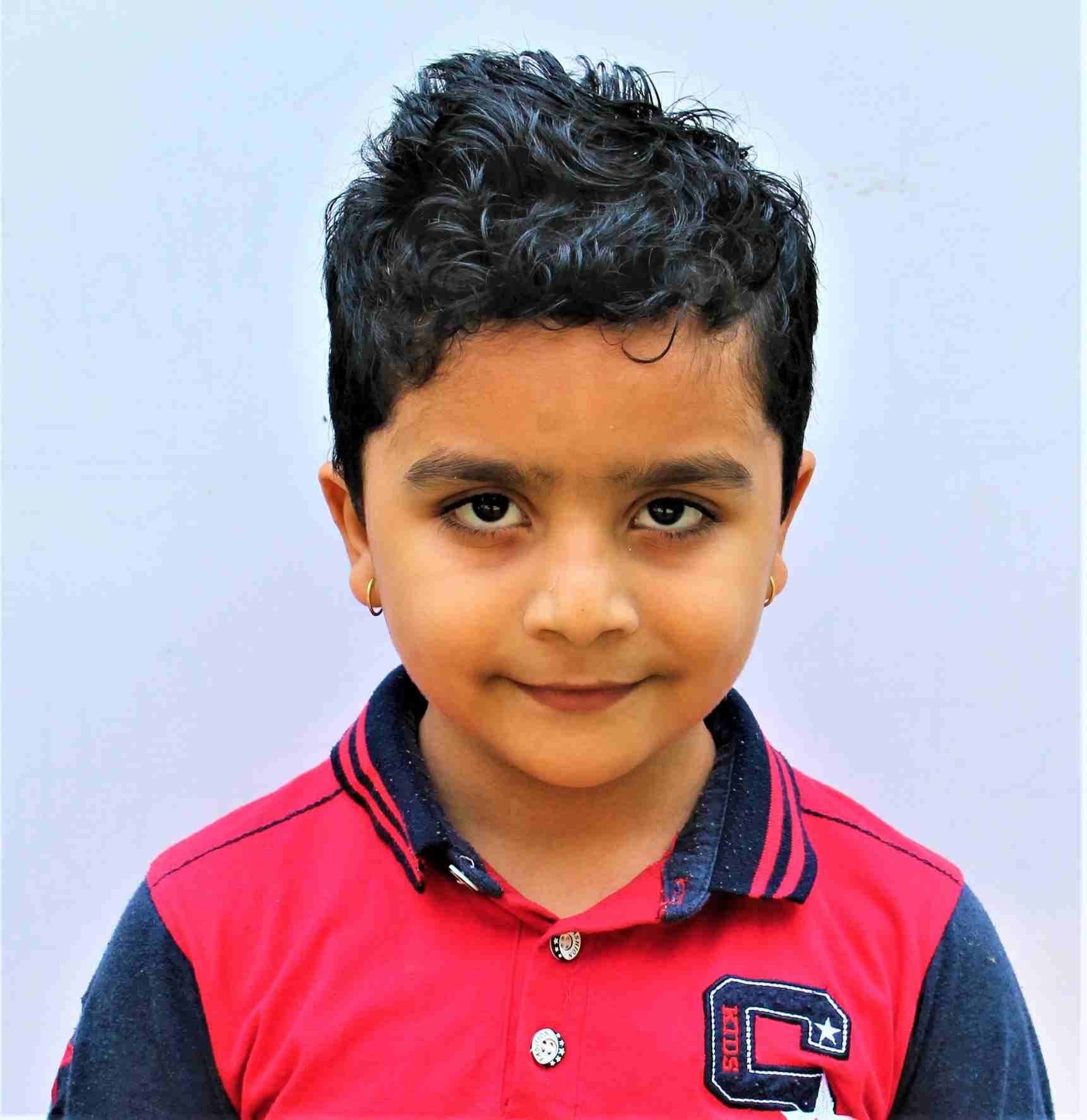
Pratyush Lohani is a student at Deerwalk Sifal School who loves writing articles, exploring diverse topics, and engaging in creative discussions.
Pratyush Lohani
Grade 7
Roll No: 31019
41
More Articles from
Student

मेरो देश
मातातीर्थ औँसी
काेराेना

मातातीर्थ औँसी

मेराे सप्ताहन्त

Global Warming

A Day Of My Sports Week

पुस्तकालय

Importance of sports

मेराे मन पर्ने पुस्तक

World Cup

Balanced Diet
Mom’s Adventurous Journey

Maitidevi Temple

My Online Exam
लघु चलचित्र समिक्षा राजु र म

मेरो देश

Importance Of Education

Florence Nightingale

भानुभक्त आचार्य

Flowers

जङ्गल

भट्टे डाँडा

हाम्रो स्कुल पुस्तक समीक्षा

शिक्षा

बुद्ध जयन्ती

शिक्षाकाे महत्त्व

Book Review

Constitution Day

मच्छिन्द्रनाथ जात्रा

Book Review: The Girl Who Stole an Elephant

Mahatma Gandhi

Vinland Saga

नेपाल

Dashain

Cnut the Great

जीवनझैँ नदी
Peace

Mahatma Gandhi


