
Women’s Right

Share:


Should women's status, opportunity, and rights be equal for all of them? Every nation must improve its laws protecting women, and every woman should be able to exercise her rights and freedoms and be treated equally in her community and country. Women are not treated with respect or humanity everywhere. Globally, many women remain outside the reach of gender equality. Throughout the world, women now have more legal rights. The society we live in was transformed by the women's rights movement. They have facilitated the achievement of some formal equality for women. Nevertheless, women had to struggle through challenging periods to succeed. They were also granted the right to vote and equal pay for equal labor. Poverty is decreased by supporting women's education. Governments can also help and encourage women by giving them access to new employment opportunities. Stay-at-home mothers experience mental exhaustion and illness. Women who work will gain new experiences and need the money they make to live. Additionally, it raises one's sense of worth and confidence in oneself.
Also, it will support the economy's rapid expansion and that of the government. Equal pay for job duties should also apply to all women. Women work longer hours and receive less pay than males in almost every nation, increasing their chances of living in poverty. Family and community members working without pay contribute to the maintenance of economic inequality, which ultimately leads to their demise due to discrimination in the workplace. Discrimination based on gender prevents women from buying property in several nations. Women should live in a better society, and most nations need to enforce these laws.
In their society, women deserve to be treated equally. Women continue to have fewer freedoms, less income, and less education in many nations. There are still many problems in every aspect of life, from the political and cultural to the economic, even with female empowerment successes. They are abused sexually, physically, and verbally. The application of Sharia Law in Saudi Arabia gives women the rights that come with being human. The legal system in Saudi Arabia known as Sharia ignores the liberties and rights of all women.
In addition to preventing discrimination based on gender, Nepal's constitution guarantees equal rights to men and women. But it also has measures that openly discriminate against women, such as preventing them from giving their children citizenship.
According to reports, the recently formed governance in Nepal is getting ready to introduce the eagerly awaited Nepal Citizenship Act Bill back into parliament. Children of Nepali women face more obstacles getting citizenship than do the children of Nepali males due to long-standing discriminatory laws that are not addressed by legislation. As per the constitution Nepali men can automatically grant citizenship to their children based on blood; however, Nepali women are required to demonstrate that their child's father is Nepali or declare him as "unidentified." The woman would be arrested if it turned out that such a declaration was false. Nepal's citizenship regulations negatively affect unmarried mothers, particularly rape survivors, and female members of the poor Madhesi minority, who primarily live along the Indo-Nepal border and frequently have cross-border marriages.
0 reads
Published on 8/30/2024
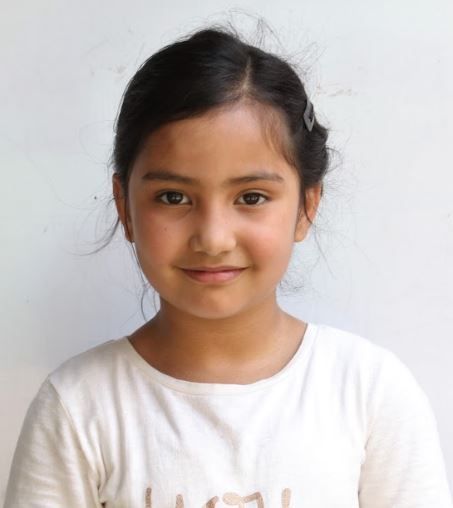
Bishakha Upadhyay is a student at Deerwalk Sifal School who loves writing articles, exploring diverse topics, and engaging in creative discussions.
Bishakha Upadhyay
Grade 7
Roll No: 30010
49
More Articles from
Student

सयपत्री फूल

चिडियाखाना खाना

बाघ

Unity in Diversity

Mount Everest

हाम्री आमा

Kentucky Fried Chicken (KFC)

Cinderella

BFG My favourite Character

Barbie Dolls

German Shephard

एकता

जर्मन सेफर्ड

एकता

A Hardworking and a Lazy Girl's Story

पानी

मौरी

Social Evils

मेरो देश नेपाल

Animals

War

भानुभक्त आचार्य

यदि घरपालुवा जनावर मानव थिए भने

Her Sad Life

ऊर्जा

विद्याको महत्त्व

शिक्षा निःशुल्क हुनुपर्छ

A Girl’s Life

Can Money Buy You Happiness?

Never Take Opportunities For Granted

वातावरण प्रदूषण

अभिभावकको महत्त्व

आमा

The Other Woman

मुनामदन खण्डकाव्यको पुस्तक समीक्षा

Emotional Burden

नेपालका चाडपर्वहरू

नेपाली शाही नरसंहार

नेपालका चाडपर्वहरू

"जिउँदाहरूको चिता" पुस्तक समीक्षा

Wrecked Ship and Me

फेक आईडी

Undeserving
The Village By The Sea
Migrancy Culture: Source to Human Rights Failure?

परिवर्तन; यो किन ब्रह्माण्डको नियम हो ?

पुस्तक समीक्षा: भग्न प्रेमशाला