
Book Review: The White Book

Share:


Book Review: The White Book
INTRODUCTION
The white book explores topics of grief, life, death and the fragility of human life. The white book is
associated with sorrow and loss. Using the color white to express her grief of losing her baby sister. We
discover ways to associate life with the color white. As we continue reading, learn more about why the
color white is associated with purity and life. It tells us how grief can shape our identity.
ABOUT THE AUTHOR
Han kang, is a South Korean author who is well known for her novel “The vegetarian”, a novel that won
the International Booker prize. She is known for her poetic books that expose the fragile nature of
humans. She became the first korean writer and the first female asian writer to be rewarded the nobel
prize in literature. Han Kang was born on 27 November 1970. Her family was always known for their
literary background. Even though Han’s father struggled to make ends meet, she graduated from
Poongmoon Girls’ High School in 1988. And Yonsei University in 1993. She worked as a reporter for the
monthly saemteo magazine after graduating from university. Then made her debut when she won the New
Year’s literary contest held by Seoul Shinmun. She continued publishing books. And thats what hed her to
being who she is today.
PLOT
This novel is broken up into fragments of memories, brief or long. I find it interesting how the writer tells
us a story just from short fragments. It is a book that doesn't have a flowing plot. Instead it is about brief
memories and thoughts.
For example, in the chapter “she”, the writer imagines her dead sister walking through the streets of the
white city.
In the first chapter, the writer shows us how white can mean birth, purity, and innocence.
The book covers topics like death, mourning, grief, birth, rebuilding, destroying, fragility, etc.
This book ends with silence. Silence that's loud, metaphorically. The silence that dead people leave. A
silence that cannot be deafened.
CRITICAL ANALYSIS
Theme 1: Death and life
The book uses the color white to explore death, life, mourning, grief, loss, purity, strangeness, fragility,
rebirth, helplessness, beauty, etc.
Theme 2: Fragility of the human nature
This book shows us how fragile humans truly are, how one thing can shape others.
Theme 3: Grief
This book shows us how it feels to experience grief, how it feels to mourn over a loved one. What you
think of when they cross your mind. It shows us that we’re not alone in our journey of grief.
The fragment I liked most was “white city” because it showed us how easily things can be destroyed, how
nothing lasts forever.
Something that frustrated me was the fact that it's a bit hard to understand the book, but at the same time,
that's what makes it beautiful. The process of overanalyzing every page makes the book unique. It gives
you an experience that cannot be replicated.
CONCLUSION & RECOMMENDATION
I loved this book, I found it very poetic and deep. I would recommend it to other people, but only if
they’re ready for the mental journey this book takes them through. This book is perfect for people who
enjoy reading psychology books that help you explore human concepts. But I wouldn’t recommend it to
people who don’t enjoy analyzing and prefer to read stories for fun. The best chapter to start with doesn’t
exist, because it depends on you.
One final thought about the subtext of the whole book is that it’s very interesting and I’ve never seen it
done before.
0 reads
Published on 7/23/2026
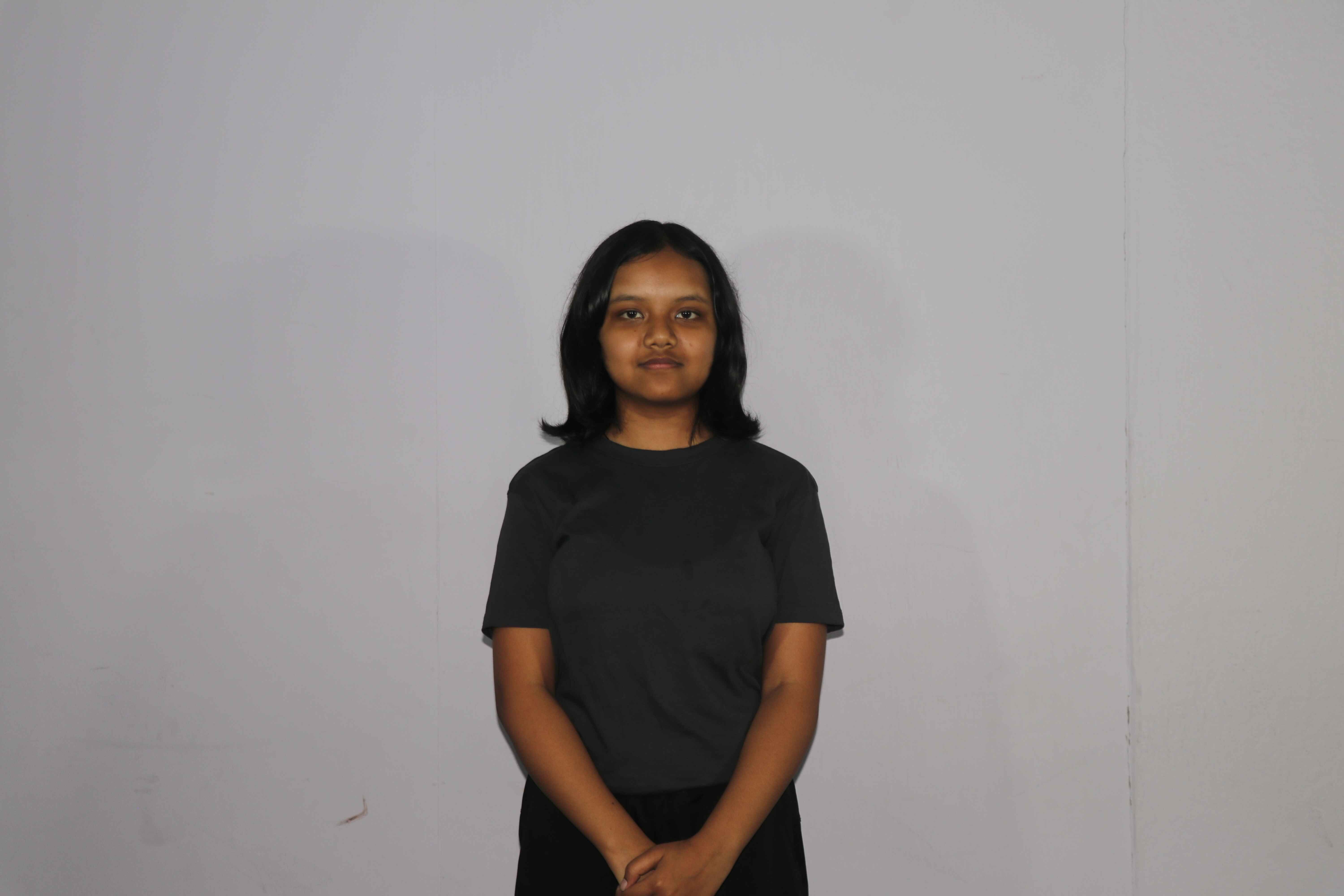
Snigdha Chaudhary is a student at Deerwalk Sifal School who loves writing articles, exploring diverse topics, and engaging in creative discussions.
Snigdha Chaudhary
Grade 9
Roll No: 30047
29
More Articles from
Student

Elephants

विश्व जनसंख्या दिवस
भानुभक्त आचार्य

Tissue

Zodiac Signs

Book Review “The New Kid”

Fin Rot

Painting

Ptah
नेपाल

The Universe

हाम्राे पृथ्वीकाे उत्पत्ति

कुमारी

हाम्रा राष्ट्रिय प्रतीकहरू

Second life
Dreams

डियरवाक अटाे सर्भिस भ्रमणकाे अनुभव

Cave Painting

Katherine Johnson

Financial Literacy and Human Resources
Cancer Victim

विकासका पूर्वाधार

प्रदूषण

Me in an Uninhabited Island

How Does Fast Fashion Affect the Environment?

A Lost Toy
Generative AI is harmless, right?