राष्ट्रको स्थिति
Mohit Tamang
फेर्दैँ गए सत्ताका शासन, दिँदै गए केवल भाषण, जनताको घरमा थिएन रासन, नेताले सजाए आफ्नै आसन।राजा पनि देख्याैँ हामीले, राणा पनि भोग्यौँ हामीले, गणतन्त्र प्रजातन्त्र आए पनि चित्त बुझाएनन् कसैले।पदमा छन् थोरै मात्र सक्षम, थोरैले गरे देशको विकास; बाँकीले गरे आश्वासन फेरि भयो जनतामा निराश।नेपाल आमाले आज पसिना र रगत हाम्रो माग्दै छिन्; नेपाली सपुत भनिने धेरै विदेसिँदा आमा एक्लै रुन्दै छिन्।क्रान्ति उठ्दा, अभियान चल्दा राष्ट्रभरि आतङ् क छाउँछ;धेरै यस्तै बलिदानका कारण नयाँ इतिहास बन्छ, देश उठ्छ।देश विकासको बाटोमा जनताले नै अघि बढ्नुपर्छ; अहिलेसम्म मौन बसेकाले पनि एकजुट भएर रणमैदान झर्नुपर्छ।
The Sun Through the Dust
Saiman Ghimire
The flickering lamp posts,The burnt buildings,The rebuilding of heritages,And the rising sunThey all seem to remind me,Remind me of a time when the footsteps of hopeShook a darkened system to its core,A time when the claws of an injured lion reached out for its futureThe hands that once held the flag of our country,Fighting for a better tomorrow was now tainted,They were tainted with the blood of the tomorrow they once preserved,The power had gotten to their heads,Snuffing flames of great promise and drying out the country hollow,The dreams of millions lost at sea,Storms of corruption, waves of incompetence,But how could they forget?Blood runs thicker than water,How could they forget that the blood that ranIn the arms that rose with them was the same bloodFlowing in the veins of the futureThe blood that shook a dynasty,The blood that made the crown oversees rust,The blood that echoed through lands far and wide,The blood that gave them the very seat they sat on,And now, that blood had turned on themThe eyes that had their vision stolen from them started to see,The legs that had forgotten how to walk had begun to run,The people who had forgotten to dream had now learnt to do it again,And the heart that had lost its hope now had the will to find it,A day that was supposed to be for peace,A day when the pillars of the country, with the wish ofStrengthening their homes marched,Their footsteps, heavy with the years of corruption,Their heart filled with hope for their nation,But- how could the hounds that had tasted blood let go of their feast,They lunged, tearing apart at the future,Smell of metal and salt filled the air,The very future they once fought to protect was nowRiddled with bullet holes to their core,The seat that was filled to the brim with sins now had another one,And this was an unforgivable sin,A sin so dire that it raised the now rusted pillars of hope,A sin so dreadful that now the hounds had woken,They had awakened sleeping giants of the past,Giants that were now ready to end it, at lastA battle evoked, They say history repeats itself,But history may not repeat itself, but it very well rhymes,For the arms that rose in the past to put them on the pedestal,Now rose to break down the entire machine,Now the giants united with the pillars, Together they rammed, they rammed through the rubble,They rammed through the fire,And when the dust had finally settled,David had Goliath in his grasp and the sun,It was rising, breaking through the cloud of dustGiving some much-needed glimmer of hopeI now stand on the land free of shackles,A land where the sun had finally risen,Yes, through the day, we may slip,We may bleed, and we may die,But at least, we dared,But at least we weren't fazed,But at least we picked up the pen to write our own future.
Change
Kritanjali Odari
Never took the place of changeToo seriouslyUntil one dayEveryone decided to change.Never took a lot for oneTo change their true colorsAnd leave behind everythingYou had it together.Creating memories with friendsAre a core for itselfYou gave your bestNever satisfied with the way you are.Slowly deciding to change yourselfFor the betterment of yourselfThe best thing I did,The thing that changed everything.The days start getting betterIs the day everything took a turn!Starting a head alikeWith a new scope.
जीवनमा मृत्यु मात्र निश्चित कुरा हो
Apurwa Lamichhane
जीवन अनिश्चित छ । हामीले पहिलो सास फेर्ने क्षणदेखि नै हाम्रो अस्तित्व हाम्रो छनोट, भाग्य र परिस्थितिको जटिल मिश्रणले आकार लिन्छ । कोही चाँदीको वा कुनैकसैले भनिएझैँ सुनको चम्चा लिएर जन्मन्छन्, कोही कठिनाइका लागि । कोही धेरै वर्ष बाँचेर जान्छन्, कोही जीवनमा आएलगत्तै हराउँछन्। भाग्य कहिले प्रकट हुन्छ, कहिले हराउँछ, कहिले कहिल्यै स्पष्ट हुँदैन। यस अनिश्चितताको विशाल समुद्रमा, हामी निश्चित हुन सक्ने एक मात्र कुरा मृत्यु हो । हामी कालो छौँ वा सेतो, धनी वा गरिब, जे गर्छौँ वा जहाँबाट आएका छौँ, जीवनमा एक मात्र वास्तविक सुनिश्चितता यही हो कि ढिलोचाँडो हामी सबैको यात्रा समाप्त हुन्छ।मृत्यु एउटा चिसो, कठोर र निर्विवाद तथ्य हो। मृत्यु नै सबैभन्दा ठुलो समानता ल्याउने शक्ति हो। यसलाई पद, धन, उमेर, जात, धर्ममध्ये कुनै कुराले फरक पार्दैन । राजा र किसान, कवि र सैनिक, क्रान्तिकारी र बिर्सिएका सबैलाई अन्तिम क्षणको सामना गर्नुपर्छ। सबै मानिसको साझा अनुभव भए पनि यो सधैं उपेक्षित विषयजस्तै देखिन्छ । त्यसो भए, यस्तो अपरिहार्य कुरालाई मानिसहरूले किन यति अस्वीकार र भयका साथ हेर्छन् ?अन्ततः, मृत्युको अपरिवर्तनीयताले नै असहजता सिर्जना गर्छ । जीवनमा अरू सबै कुरा परिवर्तन, संशोधन, पुनःनिर्माण वा पछुताउन सकिन्छ । तर मृत्यु न त सम्झन्छ, न त दोस्रो मौका दिन्छ। एक पटक आएको मृत्यु उल्टाउन सकिँदैन। यसको अपरिवर्तनीयता मात्र व्यक्तिगत अस्तित्वको अन्त्य भएकै कारण डर लाग्दो होइन; यसले हामी नेतृत्वमा छैनौँ भन्ने वास्तविकता पनि उजागर गर्छ। योजना–केंद्रित, शक्ति–मुग्ध र नियन्त्रण–केन्द्रित संसारमा मृत्युले सबै कुरा कति क्षणिक र नाजुक छ भन्ने कठोर सत्य देखाउँछ।तर यही सत्य स्वीकार गर्दा ठूलो शक्ति पनि रहन्छ। मृत्यु अपरिहार्य छ भन्ने बुझाइले हामीलाई जीवनलाई नयाँ दृष्टिकोणबाट हेर्न बाध्य बनाउँछ । यसले हाम्रो समय कसरी खर्च गर्छौँ, अरूलाई कसरी व्यवहार गर्छौँ, र के–कसलाई महत्त्व दिन्छौँ भनेर पुनर्विचार गर्न प्रेरित गर्छ। पुरातन स्टोइक दार्शनिकहरूले "मेमेन्टो मोरी" मृत्यु सम्झिने अभ्यासलाई दुःखको कारण होइन, राम्रोसँग बाँच्न प्रेरणा मान्थे । समय सीमित छ भनेर थाहा पाउँदा हामी त्यसलाई अर्थपूर्ण बनाउने प्रयास गर्छौँ।आधुनिक समाजले भने मृत्युबाट आफूलाई विचलित गर्न असंख्य साधनहरू सिर्जना गरेको छ। कोलाहल, निरन्तर व्यस्तता, टिकाउ हुने भ्रम सबैले अमरता जस्तै अनुभूति बेच्न खोज्छन्। तर कुनै पनि वस्तुले, कुनै पनि प्रविधिले, कुनै पनि भ्रमले एक दिन अन्तिम सास नअर्किने सत्यलाई परिवर्तन गर्न सक्दैन। वास्तवमा बाँच्न, मृत्युलाई स्विकार्नुपर्छ भाग्न होइन।एक पटक स्वीकार गर्न थालेपछि, मानिस साना डर, साना युद्ध, साना अहङ्कार र निरर्थक संघर्षहरूबाट मुक्त हुन थाल्छ। र प्रेम, करुणा, निर्भीकता र उद्देश्यजस्ता साँच्चै महत्त्वपूर्ण कुराहरूमा ध्यान केन्द्रित गर्न थाल्छ।धर्म र दर्शनले इतिहासभरि मृत्युलाई अर्थ दिन, बुझाउन र सान्त्वना दिलाउन खोजेका छन् । कुनैले यसलाई अर्को अस्तित्वमा रूपान्तरणका रूपमा देख्छन्; अरूले धर्तीमा फिर्तिने वा ब्रह्माण्डसँग एकाकार हुने विश्वास गर्छन् । धार्मिक होस् वा धर्मनिरपेक्ष दृष्टिकोण, शारीरिक मृत्युको वास्तविकता अपरिवर्तित रहन्छ । परिवर्तन हाम्रो प्रतिक्रियामा मात्र हुन्छ । कसैले मृत्युको डरले आफूलाई बाँधेर राख्छन्, कसैले त्यसै डरले जीवनलाई अझ शक्तिशाली ढङ्गले बाँच्न प्रेरित हुन्छन् । इतिहासभरि कलाकार, लेखक, वैज्ञानिक र दार्शनिकहरूले समय सीमित छ भन्ने बोधले उत्कृष्ट कृतिहरू सिर्जना गरेका छन् । आमाबाबुले आफ्ना सन्तानका लागि बलिदान गर्छन्, साथीहरूले एक–अर्कालाई प्रोत्साहन गर्छन्, अपरिचितहरूले दयाका साना–साना कार्य गर्छन् किनकि क्षणहरू क्षणिक छन् भन्ने चेत अवचेतनमा बस्छ।विडम्बनापूर्ण तर सत्य यही हो कि मृत्युलाई चिन्तन गर्दा जीवनलाई सही रूपमा बाँच्न सिकिन्छ। प्रत्येक सेकेन्डको मूल्य बुझिन्छ, प्रत्येक भेटघाट अर्थपूर्ण हुनसक्छ भन्ने महसुस हुन्छ। बाँच्नु भनेको मृत्युसँग युद्ध गर्न खोज्नु होइन; क्षणलाई सम्पूर्ण रूपमा जिउनु हो। मृत्युले नै जीवनलाई यसको तात्कालिकता, सौन्दर्य र गति दिन्छ। मृत्यु नभएको भए शायद हामी सूर्योदय, बालकको हाँसो, वा प्रियजनका हातको स्पर्शलाई यत्ति महत्त्व दिने छैनौँ।अन्तमा, जीवन, करियर, प्रेम, स्वास्थ्य र धनका अस्थिरताबिच मृत्यु सबैलाई समान रूपमा छुन आउने सत्य हो । यसलाई डराउनु होइन, बुझ्नु हो। बुझाइले नै हामीलाई सजग, उदार र उद्देश्यपूर्ण जीवनतर्फ डोर्याउँछ। मृत्युबाट हामी भाग्न सक्छौँ तर बाँचुञ्जेल कसरी बाँच्ने भन्ने निर्णय भने हाम्रै हातमा छ ।
प्यारो देश
Atharva Paudel
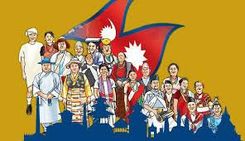
नेपाल हाम्रो प्यारो देश, पहाड, तराई, हिमाल धेरै विशेष। हरियाली जङ्गलमा नदी बग्छन्, सुन्दर ठाउँमा सकल मन रमाउँछन् ।सगरमाथा अग्लो हिमाल, हावाले बनाउँछ सुमधुर पल। पशुपति हाम्राे आस्थाकाे धराेहर छरिएका छन् सुन्दर सहर ।गाउँमा छ मेलो, सहरमा झिलिमिली, सबै काम गर्छाैँ मिलीजुली। दाल, भात, गुन्द्रुकको स्वाद, अतिथिले सँगाल्छन् याद ।नेवारी, थारु, मगरको नाच, साथीभाइ मिलेर कम्मर भाँच। दसैँ तिहारको रमाइलो मेला, मनाउछौँ खुसी, भेटघाटकाे बेला।नेपाल हाम्रो सानो संसार, यहाँ छ मायाले भरिएको प्यार। म मर्छुआफ्नै प्याराे माटोमा, मेरो दिल सधैँ हुन्छ साँघुराे बाटाेमा ।
How I Discovered a New Passion
Shreeyamsn Pudasaini
People often discover their hobbies in simple, everyday moments, but for me, it happened when I least expected it. For most of my early school years, I was quiet, introverted, and someone who avoided trying anything new. Performing, exploring, or even expressing myself openly wasn’t something I was very comfortable with. I lived inside my own bubble until one surprising moment changed everything.It began on a normal afternoon when I was scrolling through Nepali pop songs. I wasn’t searching for anything in particular, just tried exploring some songs. That was when I stumbled upon a band named Karma Band. As I listened, the music caught my attention, not because it was new, but because it felt familiar. With a little curiosity, I looked into the band and found out that the guitarist was actually a teacher who had taught me in school. I had never talked to him, yet hearing his music suddenly created a strange connection. It felt inspiring, and for the first time, I found something interesting and passionate about.That thought stayed with me. During Class 10, I asked my parents if they could buy me a guitar. They agreed, and soon enough, I was holding my first instrument. Just having it made me excited, but I couldn’t fully dive into learning because of exam pressure. As a close friend of mine who was also interested in listening to old songs like me. We practised those songs, and it sounded fun, so we started doing it quite often, as we were a part of the school hostel and we had a lot of free time. After class 10, everything changed. With fewer restrictions and more time, I started exploring different types of music. I was especially attracted to rock; its energy, intensity, and emotional depth pulled me in completely. This new interest pushed me to buy my first electric guitar along with the equipment I needed. Exploring through different songs taught me that the taste in music can change according to your mood. As some songs may feel boring on a normal day, yet the same song can strike your heart like a storm when you’re heartbroken, bringing out emotions you didn’t even know you were holding in.I began practising regularly, sometimes struggling with chords, sometimes playing the same riff repeatedly until it sounded right. There were days when my fingers hurt and days when I made no progress at all. But there were also moments of pure joy, like when I played my first full song or learned a technique I once thought was impossible. Every small improvement felt like a victory. The best thing about learning any instrument is that you can practice playing your favourite riffs and enjoy them. Playing riffs from the band Tribal Rain kept me motivated because I was finally getting the notes right, and the sound felt peaceful.Slowly, the guitar did more than teach me music. It taught me patience, consistency, and the value of showing up every day. Most importantly, it helped me overcome my introverted shell. The shy version of me who once avoided attention was replaced by someone who wasn’t afraid to try new things. Music gave me confidence, not just to perform but to express myself freely.Even today, I continue learning, practising, and exploring new styles. What started as a random moment on a lazy afternoon has grown into a passion that feels deeply personal and meaningful. Playing guitar has become a part of my identity, something that brings me peace and excitement at the same time.In the end, this journey taught me one important lesson: sometimes, the smallest spark can lead to the brightest flame. A simple curiosity can grow into a lifelong passion if we give it a chance. Music did that for me; it shaped my personality, boosted my confidence, and gave me a sense of accomplishment that I will always carry with me.
Code, Chaos, and Victory: Inside the DeerHack 2025 Organiser’s Journey
Samir Ghimire
Planning of the Event:We had just one month to prepare for the entire event. That one month was very intense, evenings filled with ideas and plans, afternoons filled with designs and colour schemes, and mornings with technical issues. As the vice-president of the STEM club, Technical team lead, sponsorship co-lead, outreach volunteer, and logistics head of the event, I was constantly juggling between pitching the event to sponsors and writing code for the event-day site. I was also sending different designs, like posters and certificates, to print. I had a hand in most of the things in the planning of the event.During the Event:Day 1On the event day, I was working only as the Technical-Team Lead, as we had other STEM members handling other responsibilities as the lead on the event day. Therefore, I was constantly running across rooms, verifying setups, fixing last-minute server-side issues, keeping the mentors updated about the projects, updating the event-day website, fixing fatal issues in the self-made project submission portal, and making sure every technical piece stayed alive.Day 2This day was not as smooth as expected. As we were preparing for the first round of judging, a team faced some technical difficulties, and in the process of evaluating the issue, we discovered that the team was involved in foul play and had been writing code four days before the hackathon. Upon discovering that, we immediately disqualified the team after discussion with the judges. After this incident, we evaluated every other participating team. After carefully indexing the code base of other teams, we found another team involved in foul play. A total of 2 teams were disqualified for unfair practices.Shortcomings We Faced:Miscommunication: Some plans didn’t reach everyone on time, leading to small chaos moments.Less Time: One month felt like one week. Everything needed to happen fast.Colour Theme Changes (5+ times!): Every time we finalised a theme, someone had a better idea.Last-Minute Name Changes: Posters, slides, announcements; all had to be updated again and again.Highlights:The Event Was a Massive Success: Seeing the energy, teamwork, and creativity in every room felt surreal.A Huge Learning Experience: Not just for participants, but for us as organisers too. We learned to adapt, troubleshoot, communicate better, and stay calm under pressure.On the event day, watching participants brainstorm, code, fail, try again, and finally present, it hit us hard: we actually built this. Despite the miscommunication, last-minute changes, rushing, and stress, Dearhack 2025 came alive.Conclusion:The most significant takeaway from DeerHack 2025 was the crucial importance of proactive communication and time management. We learnt that rushing a complex, multi-faceted event in just one month leads inevitably to preventable miscommunication and frustrating, last-minute changes, from colour schemes to posters. Furthermore, we discovered the necessity of implementing a robust, pre-event code audit or integrity check to maintain the fairness of the competition and prevent instances of foul play and subsequent disqualifications. Ultimately, the pressure taught us to be adaptable, troubleshoot under extreme stress, and appreciate the power of a committed team to turn chaos into a successful community build.
पानीको रङ : समीक्षा / पुस्तकानुभूति Drag
Prasan Khatiwoda
परिचयसशक्त कवि, गजलकार तथा मुक्तकार ऋषि बस्ताकोटीद्वारा रचित ‘पानीको रङ’ नेपाली समाजसँग सम्बन्धित विभिन्न विषयवस्तुमा लेखिएका कविताहरूको एक सङ्ग्रह हो। यस पुस्तकमार्फत उनले प्राकृतिक संरक्षण, सत्य, न्याय, समता, प्रेम, भ्रातृत्व आदि विषय समेटेर लेखिएका सुक्तिमय र सरल शैलीका गहन कविताहरूले नेपालीहरुको मनमस्तिष्कलाई छोएको छ । यस पुस्तकमा कुल ४० वटा कविताहरू संकलित छन्। ती कविता सरल भए पनि गहिरा विषयहरूको वरिपरि रहेर प्रतिविम्बन तथा व्यङ्ग्यको प्रयोगसहित रचना भएका छन् । तीमध्ये मलाई रोचक लागेका केही विशिष्ट कविताहरूको विश्लेषण यसप्रकार छः१. बादलका बुट्टाहरूयस कवितामा हाम्रो मानसिक सोचाइको विश्लेषण गरिएको छ। मानिसको छल तथा अरूलाई दुःख दिने हिंसात्मक प्रवृत्तिलाई बादलका बुट्टाहरूमार्फत मानव सोच र कल्पनाको रूपकका रूपमा प्रस्तुत गरिएको छ।२. बाका जुत्तायस कवितामा बुबा हुनका कर्तव्य र स्वाभिमानलाई जुत्ताको कथाबाट प्रस्तुत गरिएको छ। यसमा विशिष्ट बाको गुणका साथै नेपाली समाजमा रहेका विवश बुवाहरूको बेदना पनि उजागर गरिएको छ।३. झिँगाहरूयस कवितामा कविले समाजका त्यस्ता मानिसहरूको चर्चा गरेका छन्, जसले आफ्नो स्वार्थ मात्र देख्छन्। जीवनका विभिन्न मोडमा भेटिने साथीहरूमध्ये केही तत्कालका लागि मात्र साथी बनेर आफ्नो फाइदा निकाल्न खोज्छन्। झिँगाहरूको प्रतीक प्रयोग गरी त्यस्ता मानिसहरूको चित्रण गरिएको छ।४. म्यादीमाइलानेपालीहरूको एक तीतो सत्यको चित्रण यस कवितामा गरिएको छ। प्रस्तुत पात्रको बदलिने काम र पदसँगै देशमा परिवर्तन ल्याउने प्रयास पनि बढ्दै जान्छ; तर धेरै नेपालीहरूको प्रयास अन्ततः विफल हुन्छ र अन्तिममा उनीहरूको जीवन फेरि उही चक्रमा फर्किन्छ भन्ने व्याख्या गरिएको छ।५. उन्मुक्तिको गीतयस कवितामा नेपालीहरू तानाशाही शासनबाट मुक्त भएपछि अनुभूत गरिएको भावनालाई स्मरणका रूपमा प्रस्तुत गरिएको छ।६. तिम्रो मायामायस कवितामा कविले आफ्नो एकतर्फी प्रेमको चर्चा गर्दै प्रेमका लागि गरेको प्रयास तथा त्यसक्रममा आफूमा आएको परिवर्तनको भाव प्रस्तुत गरेका छन् ।७. आप्रवासी रामप्रसादयस कवितामा रामप्रसादको पहिचान द्वन्द्वमार्फत विदेसिएका नेपालीहरूको दुविधा प्रस्तुत गरिएको छ। रामप्रसादको छोरो अमेरिकाको संस्कृति अपनाउँछ भने रामप्रसाद न त पूर्ण रूपमा नेपाली हुन सक्छ, न पूर्ण रूपमा अमेरिकी, जसले उसको पहिचानलाई दोधारमा पारेको देखिन्छ।८. तिमी गएपछियो सङ्ग्रहभरिकै उत्कृष्ट तथा जटिल कवितामध्ये एक हो। ‘छुट्नु’ बाट आएको पीडासँगै उत्पन्न चुनौतीहरू र त्यसले मानिसको जीवनयात्रामा पार्ने प्रभावको चर्चा यसमा गरिएको छ।विषयवस्तुयस कवितासङ्ग्रहमा नेपाली समाजका विविध पक्षहरू छन् । यसमा रहेका कविताहरू ‘झिँगाहरू’, ‘भ्यागुताहरू’, ‘हामी बलरामहरू’ ,’ साँढेहरू’र ‘बादलका बुट्टाहरू’ ले समाजमा रहेका मानिसहरूको मानसिक अवस्था, व्यवहार र विडम्बनालाई प्रतीकात्मक रूपमा देखाउँछन्। ‘तिम्रो मायामा’, ‘तिम्रो जन्मदिनमा’ र ‘मृगतृष्णा’ ले यौवनकालीन भाव, प्रेमको गहिरो अनुभूति र मोहभङ्गलाई प्रस्तुत गर्छन् । पारिवारिक सम्बन्धको आत्मीयता ‘मेरा बा’, ‘बाको जुत्ता’ र ‘आमा घर हो’ मा प्रकट भएको छ, जहाँ बाबुआमाप्रतिको माया, सम्झना र सम्मान तथा उनी हरूको त्याग तथा भोगेका दुःख र कष्टलाई भावुक ढङ्गले व्यक्त गरिएको छ।कविता सङ्ग्रहका अन्य रचनाहरूले परदेसिएका नेपाली समाजको कथा,नेपालीहरूको पीडा र सङ्घर्ष ,वर्तमान र भूतको तुलनात्मक खण्डनजस्ता विषयबारे कवितामा व्याख्या गरिएको छ। ‘आप्रवासी रामप्रसाद’ मा परदेशमा बस्ने नेपालीहरूको सङ्घर्ष र पहिचानको खोज झल्किन्छ भने ‘म्यादीमाइला’ मा अवसर र परिवर्तनको चाहनामा विदेशिनु परेको बाध्यता चित्रण गरिएको छ र नेपालीहरूको परिवर्तनको चाहनालाई आर्थिक अवस्थाले सम्हाल्न नसक्दा कसरी एक चक्रव्युमा फसी पुनः आफ्नो पुरानो अवस्थामा नेपालहरू फर्कन्छन् भन्ने नेपालीहरूको भावपूर्ण विडम्बनाको कुरा गरिएकाे छ। ‘उन्मुक्तिको गीत’ले राणा शासनपछिको समय, स्वतन्त्रताको उत्साह र राजनीतिक परिवर्तनको सङ्केत दिइएको छ। यी सबै कविताका माध्यमबाट कविले नेपाली जनजीवनका पीडा, सपना र सङ्घर्षलाई शब्दमा उतारेका छन् ।परिवेश:कविता सङ्ग्रहमा मुख्यतः नेपाल, नेपाली तथा नेपाली समाजलाई केन्द्रमा राखी सिर्जित कविताहरू समावेश गरिएका छन् । यसअन्तर्गत नेपाली समाजका विभिन्न समयकाल तथा तिनका परिवेशको चित्रण गरिएको छ । उदाहरणका रूपमा ‘उन्मुक्तिको गीत’ ले नेपालीहरूले राणा शासनबाट मुक्त भएको ऐतिहासिक परिवेशलाई प्रस्तुत गर्छ भने ‘म्यादीमाइला’ ले अवसर र परिवर्तनको खोजीमा विदेशिनु परेको अवस्थालाई, अर्थात् प्रतिभा पलायनको वास्तविकतालाई उजागर गर्छ ।विदेसिएका नेपालीहरूको जीवन तथा पहिचानसँग जोडिएको परिवेशलाई देखाउन ‘आप्रवासी रामप्रसाद’ रचना गरिएको छ। पारिवारिक परिवेशको चित्रण ‘मेरा बा’, ‘बाको जुत्ता’ र ‘आमा घर हो’ जस्ता कवितामा भेटिन्छ, जहाँ परिवार, माया, त्याग र आत्मीयता अभिव्यक्त भएका छन् ।प्रेम र यौवनकालीन मानसिक अवस्थालाई प्रस्तुत गर्न ‘तिम्रो मायामा’, ‘तिम्रो जन्मदिनमा’ र ‘मृगतृष्णा’ जस्ता कविताहरू प्रयोग भएका छन् । त्यस्तै समाजका मानिसहरूको मनस्थिति, व्यवहार र विडम्बनालाई देखाउन ‘झिँगाहरू’, ‘भ्यागुताहरू’, ‘हामी बलरामहरू’ र ‘बादलका बुट्टाहरू’ जस्ता कविता उल्लेखित छन्।यसरी विभिन्न सामाजिक, राजनीतिक, पारिवारिक, मनोवैज्ञानिक तथा भावनात्मक परिवेशलाई आधार बनाई विविध विषयका कविताहरू यस सङ्ग्रहमा समाहित गरिएका छन् ।निष्कर्ष यस कविता सङ्ग्रहले विभिन्न क्षेत्रबाट कविताहरू संकलन गरी कल्पना र यथार्थको मिश्रणमार्फत सामाजिक तथा राजनीतिक परिवेश र भावनात्मक द्वन्द्वलाई प्रतीकात्मक रूपमा अभिव्यक्त गरेको छ । समाजलाई मार्गदर्शन गर्ने ऐनाजस्तै बनी यसले नेपाली जीवन, सोच र अनुभूतिको गहिरो व्याख्या गरेको छ । आफ्नोपनको भावना प्रस्तुत गर्ने यस कविता सङ्ग्रहलाई सम्पूर्ण नेपालीको पहिचानका रूपमा पनि लिन सकिन्छ, र यसै कारण यी कविताहरू पाठकको मनमस्तिष्कमा बस्न सफल भएका छन् ।
सिन्धुको कथा
Kristina Rai
सुनको झल्को पोख्दछ सारा कर्णाली छातिमा बग्दछ सिन्धु कथामा जोडी पहाडको काखमा श्रमको रङ उब्जन्छ सारा खेतमा लहरै धान र बाली चम्किन्छ हेर हिरा र मोति झैँफूलको थुँगा चुढाइ हेर सिरमा सजेको गुन्यु र चोली पटुकी कसी रोदीमा नाचेको गुन्जन्छ भाका मादलसँग सालको वनमा आउँछ जान्छ वसन्त ऋतु मोहनी रूपमा गोठाला भिरी हँसिया बोकी भाकामा गाउँलाडोकामा घाँस पिठ्युमा आश बाँधेर आउँला गाउँछ गीत गाइने हेर सारङ्गी रेटेरै नाच्दछ सेती मुहार फेरी झुल्केको बिहानै
Steps into the Wild: My First Trekking Tale
Anumesh Shrestha
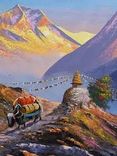
Everyone lives their life in their own way, possessing a unique and different lifestyle, and a whole different story with experiences of their own kind. I have one too. My experience is a bit different from a normal teenager's, filled with exciting stories and a memorable journey. In this era of gaming, binge-watching, and internet-related activities for teenagers, I did something that may not be common: I completed my first trek—a 10-day route—in just six days. Finishing a 10-day trek in six days is not normal, even for an adult, and since it was my first trek, it will always be a truly memorable journey.There were three members in our group: myself, my dad, and my uncle. To start our trek, we packed our bags, loaded the car, and left Kathmandu at around 8 AM. Our goal for the day was to reach Syabrubesi, the starting point for our trek, which was a six-hour journey. We had lunch midway and continued. We reached Syabrubesi at around 3:00 PM and found a hotel. After going to our room to freshen up, we went to explore the area, which was somewhat isolated from the city crowd. We found a hot spring that was very warm and relaxing. We enjoyed ourselves there and also planned the whole trip, talking and having some fun with music and meeting different people from all over the world. At dinner, we were informed that starting the next day, we would enter the national park area, meaning we would not be getting any meat in our meals, though eggs would be available. We already knew that the rates for even simple things would be very high up there.Our trek started early the next morning. We were highly motivated and fully ready. The walk was very enjoyable. It felt like a whole different place in the deep jungle where we wouldn't see humans often. It was thrilling to know we only had each other if something happened. We walked continuously for about two hours without feeling tired and rested at a place that had only one hotel in the area for a quick tea break. We stayed there for about 20 minutes, clicked some photos, and continued our journey. After gaining some altitude, we stopped for a few minutes, took out our umbrellas, and continued our trek. After four hours of walking, at around 1:00 PM, we stopped at a place called Lama Hotel, where we had our lunch. Lama Hotel is usually where trekkers spend the first night, but we decided to press on since we had reached it for lunch. We thought we could cover more distance, so we moved to the next stop and stayed the night at Ghoda Tabela. Before reaching there, and even for some time after, there was snowfall, which was incredibly beautiful to watch, and the view was even more stunning than we had expected.The next morning, we had breakfast and continued our journey toward Langtang Valley. We walked for two hours and then had a 20-minute stop for tea, where we clicked photos of the amazing views we saw up there. We continued our trek for another two hours and reached Langtang Valley. For most people, Langtang Valley is the place for the second night's stay, but we reached there around 12:00 PM. We had our lunch, visited different spots in Langtang Valley, explored the area, and found some unique things there before continuing our trek. Just as we started walking again, the weather changed. Visibility dropped due to fog, and suddenly, snowfall and a light storm began. However, we did not let that deter us and moved on. After walking in those conditions for one and a half hours, the weather cleared. It wasn't fully visible, but it was better than before. After four hours of walking, we reached Kyanjin Gomba. At Kyanjin Gomba, there was about one foot of snow, which was a new experience for me. We visited the Gomba and clicked some photos. The place was unique; it was the first time in my life I had seen such deep snow, and walking on it was very difficult. But we had fun and explored many places. We had dinner at the hotel and stayed the night there.The next day, we considered climbing the peak "Kyanjin Ri," but due to heavy snow and the risk of an avalanche, we decided against it. Had we done it, we would have received a summit certificate. In the early morning, the snow was shining. Then we started to descend. On that day, we were determined and descended about 27 kilometres in one day, reaching the bottom of the trek at a place called Bamboo Hotel, where we stayed.The next day, we had a new plan. After reaching Syabrubesi, we packed our bags, got in the car, and drove from Syabrubesi to Dhunche, the starting point for the Gosaikunda trek. We had lunch at Dhunche and started our trek to Gosaikunda at around 12:30 PM.We walked continuously for five hours, with one stop for rest and snacks. We covered about six hours of walking that day and reached the place called Cholongpati, where we stayed for our first night. The trail we covered that day was entirely uphill and difficult. The next day, we walked in heavy snow for about three hours and reached Gosaikunda. That place was very different from the others. It had a positive, sacred vibe, and we could feel the positive energy, which is very important for Hindus. We then descended from that place, had lunch at the same hotel where we had stayed the previous night, and descended directly toward Dhunche. We reached Dhunche at around six in the evening and completed our trek.The trek taught me many things in life, like how humans can do anything for survival. It taught me that we humans can cross our limits for survival if we have no other choice. It taught me many other positive things that cannot be fully explained but can only be experienced.
वैदेशिक रोजगार
Anumesh Shrestha
नचाहँदा नचाहँदै त्यो समय आयो, नचाहँदानचाहँदै यो देश छोड्नु पर्यो । रहर त कहाँ थियो र मलाई बाध्यताले नै त खै कहाँ पुर्यायो ।जानु पनि त मन थिएन, समयको पनि साथ थिएन, यहाँ बस्न केही बाँकी थिएनन्, साहुले झनै बस्नै दिएनन्बलले हुने भए मै बल लाउँथे, करले हुने भए मै कर लाउँथे । मेरो देशमै केही अवसर पाए, सबै नेपाली किन विदेश धाउँथे ?दौडधुपले भरिएको यो समयले हामीलाई कहाँ लगेर छाड्ने हो ? देशको माया हुँदाहुँदै अन्त्यमा कहाँ पुर्याउने हो ?हेर्दाहेर्दै हवाइजहाज कताकता उड्दै गयो, निलो खुल्ला आकाशमै रहर त कहाँ थियो र, बाध्यताले नै टाढा त पुर्यायो।
Vengeance
Aakanchha Kharel
When I diePaint my casket redLet it be filled with the blood of individualsWho’s hurt me from my birth to deathThe ones who made my heart acheThe ones who made scarlet drop from my veinsThe ones who made me think death isn’t so badThough it actually drove me insaneI want revengeThey say none of this is going to make things rightIf you’re dead, they will still live their lifeBut if my life was a living hell, can’t my death be filled with peace insteadLet me consume their bloodLet that be my elixirOnly then will my soul rest in peaceIn vengeance's armThe comfort I seek that no one gave me on earth, the place where I was formedI want retributionThen will my death be worthwhileAnd after I can proudly say my life was wonderfulMy death?Better than anything elseIt was my revenge.
The Return of Monarchy: Nostalgia or Necessity?
Swoyam Shrestha
If we delve into Nepal’s history, we discover that the country was unified under the Shah dynasty, a monarchical system. What if King Prithvi Narayan Shah had never considered unifying the country—would we be here today on this soil? This fact from the past ties the monarchy closely to Nepal’s identity and heritage.But the Nepal of today faces a very different reality. Ever since the monarchy was abolished in 2008, the nation has adopted a federal democratic republican system, intending to give equal voice and rights to people from varied backgrounds. The new constitution, enacted in 2015, was intended to create a more inclusive, transparent, and accountable state. Yet despite these intentions, the democratic experiment has struggled to deliver sustained stability and prosperity. Political disputes, governmental instability, corruption, and economic challenges have all contributed to growing public frustration.This dissatisfaction has led some Nepalis to look back at the monarchy nostalgically, remembering it as a force for unity and stability. For many, the king was an apolitical unifying figure who could protect the country’s sovereignty and cultural values. By contrast, the current democratic system is often seen as fragmented and slow in addressing pressing issues such as poverty, unemployment, and infrastructural development.But the question remains: Is a return to monarchy a genuine solution, or merely a longing for simpler times in an age of uncertainty?Democracy in Nepal is still young. It requires time, education, and public engagement to build a robust democratic culture. Instead of returning to a system that was abolished for valid reasons, it may be wiser to focus on strengthening democratic institutions, promoting political accountability, and encouraging inclusive governance that respects Nepal’s rich diversity.Although the spectre of the monarchy still lingers in the minds of many Nepalis, the nation’s destiny lies in its ability to look forward and stabilise its democracy rather than turn back. Nepal’s potential for progress rests not in restoring past systems, but in charting new paths that unite the country through justice, equality, and sustainable development.
फेरि उज्यालो
Ritika Rajbhandari
१४ वर्षकी आयुषी विद्यालयबाट फर्किँदै थिइन्। उसको मनमा गणितको होमवर्क र साथीहरूसँगको कुरा चलिरहेको थियो। घर पुग्दा गेटबाहिर धेरै मान्छेहरू उभिएका थिए। सबैको अनुहार डराएको जस्तो देखिन्थ्यो।“के भयो?” आयुषीले सोधिन्।छिमेकी सावित्री काकी दौडेर आइन्, “आयुषी, तिम्री आमा र हजुरआमा दुर्घटनामा परे। अस्पताल लगेका छन्।”त्यो सुनेर उसको घुँडा कमजोर भयो। “के... के भयो ?” उसको स्वर काँप्यो।“गाडी ठोक्कियाे, डर नलिनू, बेहोस मात्रै हुनुभएको छ, बाँच्नुभएको छ।”“बाँच्नुभएको छ ?” यही शब्द आयुषीले फेरि फेरि दाेहाेर्याइन्। आँसु आँखाबाट बग्यो तर मनमा एउटा सानो राहत आयो, बाँच्नुभएको छ ?आयुषी अस्पताल पुग्दा आमालाई बेहोस अवस्थामा देखिन्। हातमा पट्टी बाँधिएको, अनुहारमा ससाना चोटहरू। हजुरआमा अर्कोतर्फको बेडमा सुतिरहनुभएकाे थियाे । आयुषीको हृदय पोल्यो, तर ऊ त्यहाँ उभिइन।डाक्टरले भन्नुभयो, “दुवैको अवस्था अब स्थिर छ, केही दिन विश्राम चाहिन्छ।”आयुषीले गहिरो सास फेरिन् अनि भनिन। “धन्यवाद, सर।”त्यो रात उनी अस्पतालकै कुर्सीमा बसिरहिन्। हजुरआमाको सास सुनेर ढुक्क भइन्, आमाको हात समाएर बसिन।“आमा, म यहाँ छु, तपाईंहरू ठिक हुनुहुने छ,” उनले बिस्तारै भनिन्।केही दिनपछि आमा र हजुरआमा घर फर्किनुभयो। घर अब अलि फरक लाग्थ्यो। हजुरआमा अझै उठ्न सक्नुभइकाे थिएन । आमालाई पनि आराम चाहिएको थियो। आयुषी अचानक ठुलो भएर देखिन थालिन्।“आयुषी, पानी त ल्याइदे न,” आमाले हल्का स्वरमा भनुभयो।“हुन्छ, आमा,” उनले भन्थिन्।भान्सामा गएर उनले पानी ल्याइन्, अनि खाना बनाउन पनि सिक्न थालिन्। पहिले कहिल्यै नगरेका काम अब उनी आफैँ गर्न थालिन्।कहिलेकाहीँ थकाइ लाग्थ्यो, राति पढ्न मन नलाग्ने, कहिलेकाहीँ रिस उठ्ने।“किन ममात्र?” उनले आफैँलाई सोध्थिन्।तर फेरि आमाको मुस्कान सम्झन्थिन्, “हामी सबैले एकअर्काको हेरचाह गर्नुपर्छ।”त्यो सम्झँदा उनी फेरि उठ्थिन्।विद्यालयमा पनि उनी पहिले जस्तो हाँस्दिनथिन्। साथीहरूले सोध्थे,“आमा र हजुरआमा अब ठिक?”“ठिक हुँदै हुनुहुन्छ,” उनी भन्थिन्, मुस्कुराउने प्रयास गर्दै।शिक्षकले नोटिस गरे र एकदिन बोलाए,“आयुषी, ठिक छ्याै ?”“छु, सर,” उनले भनिन्, तर मनभित्र अझै भारी महसुस भइरहेकै थियो।घर फर्किँदा उनी बाटोमा आकाश हेर्थिन, बादल, घाम, हावा, सबै फरक देखिन्थ्यो।“जीवन साँच्चै अस्थिर रहेछ,” उसले सोच्थिन्।एक साँझ उनी आमाको कोठामा गइन्। आमा किताब पढ्दै हनुहुन्थियो।“आमा!”“भन?”“म डराएकी थिएँ… त्यो दिन"आमाले मुस्कुराउँदै उनको हात समाउनुभयो। “हामी कहाँ जानेछौँ र, आयुषी ? तिमीले त हाम्रो संसार उज्यालो बनाएकी छ्यौ।”हजुरआमाले पनि सुन्नुभयो र हल्का हाँस्नुभयो। “हेर न, हाम्री नातिनी कति ठुली भइसकिछे।”त्यो क्षणमा आयुषीको आँखा फेरि रसाए तर यसपटक त्यो आँसु दुःखको होइन सुखकाे थियाे ।त्यसपछि जीवन बिस्तारै सामान्य हुँदै गयो। आमा अब हिँड्न सक्ने हुनुभयाे, हजुरआमाको हात पनि राम्रो भएको थियो।आयुषीले फेरि पढाइमा ध्यान दिन थालिन्, साथीहरूसँग हाँस्न थालिन् तर ऊ पहिले जस्तै बेफिक्र थिइन।अब उनी बुझ्न थालिन्, ‘खुसीलाई पनि जोगाउनुपर्छ।’हजुरआमाको सल्लाह सम्झन्छे , “बाबु, दुःखले पनि मानिसलाई सिकाउँछ।”एक साँझ ऊ छतमा गई। आमाले तलबाट बोलाइरहनुभएकाे थियाे, “खाना तयार छ।”उनले हावामा हेरिन्, सास फेरिन् र मुस्कुराइन् ।“धन्यवाद, भगवान, तपाईंले उहाँहरूलाई बचाउनुभयो।”त्यो रात उनले आफ्नो डायरी खोलिन् र लेखिन् ।“आज म डराउँदिन। जीवन कहिलेकाहीँ भाँचिन्छ तर फेरि जोडिन्छ पनि। आमा र हजुरआमा मेरो संसार अनि म उहाँहरूको उज्यालो।”उनले कलम राखिन्, झ्याल बन्द गरिन्, निदाइन्।बाहिर चन्द्रमाले झ्यालबाट कोठामा उज्यालो पठाइरहेको थियो। आयुषीको सास पहिले जस्तो भारी थिएन।
Top
Articles
Children's Day
Adhit Upadhyay
On September 11th, our school celebrated Children’s Day. All the teachers were fully prepared. All the students were happy to celebrate the recent program. First it was a poem, which was interesting and wonderful. It was quite an amazing day for all the students. Our class teachers and advisors provided us with chocolates. At last, all of us queued according to each class, and teachers called class by class to give us cake. I just want to thank all the teachers for successfully conducting the program.
Published on 11/13/2018
Friendship
Kamal Thapa Magar
“Walking with a friend in dark is better than walking alone in the light”.Friendship is a special bond between two or more than two people. I think without friendship life is boring because friends bring happiness and smile on our face. We all have friends. Friendship is a relationship of mutual affection between people. We cannot live our entire life all by ourselves. We need a faithful relationship and happy living. And these two are achieved only by true friendship. Friendship has no limit on age, sex, and position. Friendship can be developed between persons having different passions, emotions or sentiments.
Published on 1/28/2019
Journal On Zoo Visit
Aashik Singh Danwar
It was Sunday when we, the students of grade 10 went to the zoo with our respective teacher, Mr. Kuldeep Gupta. We reached the zoo at 10:30 am. We rested there for a while and headed inside. We saw different animals and birds. We got a chance to gather information about animals such as monkeys, tigers, elephants, bears, and birds such as parrots, eagles, vultures and so on. We took a short break after walking and exploring. We had our lunch and started exploring more. We got to know about reptiles as well. We didn’t leave a place to roam around. We had lots of fun. After we finished gathering enough information, we went for boating. It was one of the memorable moment of my life. I would like to heartily thank my teachers who gave us the opportunity to make beautiful memories with friends and help us explore different birds and animals. We wish to have more fruitful field visits like this.
Published on 11/28/2018
Zoo
Prabit Shakya
Sunday, October 7, 2018We, the students of grade 10 went zoo for a field visit with our EPH teacher, Mr. Kuldeep. We left the school at 9:30. We reached there within 20 minutes. We headed inside and took group photos. We first saw crocodiles and started taking photos. We also clicked photos of the renowned late personalities. We noted important information about animals, their habitat and their food. At 11:30 we stopped by for tiffin. We shared food with each other. After a while, we went to see some more animals. We saw different types of animals. We also saw varieties of birds, snakes, and fishes. Later, we went for boating. We enjoyed boating so much. We took group photos there as well. And, we finally left for school. Our school van was ready to pick us up. We climbed on the van and arrived at school around 2 pm. It was a great day. I enjoyed a lot.
Published on 1/8/2019
Journal On Zoo Visit
Jibika Khadka
On Sunday, October 7, 2018, it was our field visit to the zoo. We left the school at around 9:15 am. Mr. Kuldeep, our HPE teacher guided us to the zoo. This field visit was related to our study in which we had to know about different animals. We reached the zoo at 10:00 am. We were told the rules that we had to follow. We took group photos and headed forward. We saw different animals there. We had to take information about animals, too. We all took the photos of animals and wrote some information about it. We completed half way of the zoo at around 11:45 am. Then we sat on a place and had our tiffins there. We finished our tiffins at 12:30 pm and again went to take some information about animals. There were many kinds of animals and birds. We also took our group photos. We gathered a lot of information about the animals that we found in the zoo. After gathering all the information, we decided to go for boating. It was not planned before, it was on the spot decision. We divided our group to 6 each and took two boats. We had lots of fun while boating. We got out of the boat, took the school van and went back to school. Overall, it was a fun and memorable visit. We reached school at around 2:45 pm. We were very tired so we did not study any subjects and went home after school.
Published on 11/27/2018
Article of the
Week
Elementary School
Middle School