
“Fashion is Political” Explained

Share:


“Fashion is Political” Explained
We’ve heard this quote numerous times on the internet, ‘Fashion is Political.’ But do we really know the meaning of it? Is it just an insignificant term said on the internet or is it something related to our daily lives that we just brush off? Well, to begin with, fashion is unavoidable, it’s a method for communicating without words, it’s to make statements, express mood, personality, represent ideologies and prove identity through different cuts, colors and textures. Fashion plays a big role in political expression whether it is to represent activism, dissent or even identity ever since the beginning. Over the last 100 years fashion has been an established industry that has dominated the world in every way. Everyone wears clothes and what those clothes could convey is an entire form of politics. Even someone who implies that fashion doesn’t matter to them and wears whatever they want is making a statement, and representing who they are and what they feel like. Fashion is often reduced to aesthetics, trends or consumer pleasure, it’s not recognized as a political expression.
For instance, we could take Queen Elizabeth the first, an interesting figure who utilized fashion as a powerful tool for political expression. Her garments weren’t just about luxury, they were crafted symbols of authority, stability and wealth in the male-dominated world. Every single element of her attire from the jewels, colors, silhouettes and other fashion choices weren’t just for style; it represented wisely-made statements designed to project her wealth, strength, and her carefully curated persona as the "Virgin Queen." What people wear reflects systems of authority, resistance, gender norms, class divisions, colonial histories, and ideological struggles. From laws regulating dress to garments used as tools of protest, fashion acts as a visible language of power. Therefore, fashion is not merely personal or decorative, it is significantly political, where identity, control, and resistance are continuously negotiated.
Fashion has long ago acted as a tool for political expression and power, throughout history clothing has been used for reinforcing and resisting laws, regulations, societal norms. Political figures, resistance groups and even marginalized communities have used fashion to create an identity. For example the Black Panther Party in the 1960s adopted black leather jackets and berets to symbolize strength, unity, and defiance against racial injustice. Similarly, suffragettes (women who seek the right to vote) in the United Kingdom used white dresses with purple and green sashes to visually communicate dignity and unity in their fight for voting rights. Most recently, Iranian women removing the hijab during protests have used clothing as a direct challenge to state control over women’s bodies. These examples illustrate how fashion goes beyond appearance to become a visible and impactful form of political expression.
Politics and fashion have been interrelated since a long time ago yet it still took a lot of time to become a topic of discussion. Protest clothing and collective style has become visible signs of supporting a cause. Clothing often has a stronger impact than writing messages. From feminist slogans to safety pins and AIDS awareness, fashion has raised international funds to help each and every cause. Many movements often use unconventional or anti-fashion styles to resist mainstream culture, while the fashion industry helps amplify these messages to wider audiences. Fashion activism continues to be a powerful method of political engagement and social change. The current culture of political fashion has been dramatically enhanced due to digital broadcasting, social media and the internet. In a century where most people are connected to devices they become aware of what’s going on in the world and minorities can easily join protest groups in seek of political expression and also gain media recognition.
Fashion has now become a very trendy platform for political activism. Runways, streetware, consumer choices now reflect political concern and social identities. The rise of sustainable fashion, conscious consumers, and diverse representation highlights the awareness of fashion’s political impact. As fashion continues to align with social media, politics, and global activism it will remain a lasting force in shaping historical narratives and political expression.
Fashion is a powerful form of political expression that extends far beyond just aesthetics. Across history and into the digital age clothing has symbolized resistance, unity, ideology, and power. Every fashion choice carries political meaning, whether intentional or not. The more time passes and activism, social media influence grows, fashion’s roles in politics keep on evolving while making meaningful changes in the world for it to benefit all.
0 reads
Published on 3/20/2026
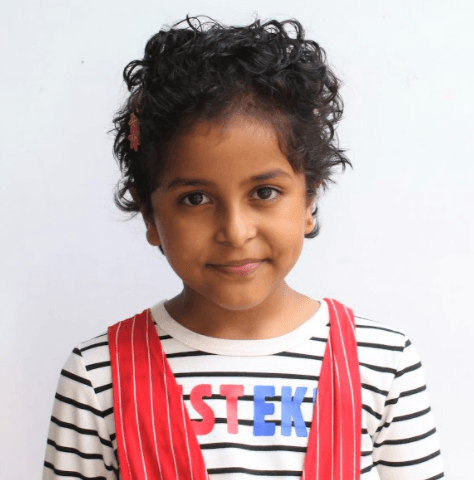
Shreevaani Dhungel is a student at Deerwalk Sifal School who loves writing articles, exploring diverse topics, and engaging in creative discussions.
Shreevaani Dhungel
Grade 9
Roll No: 2028054
7
More Articles from
Student